
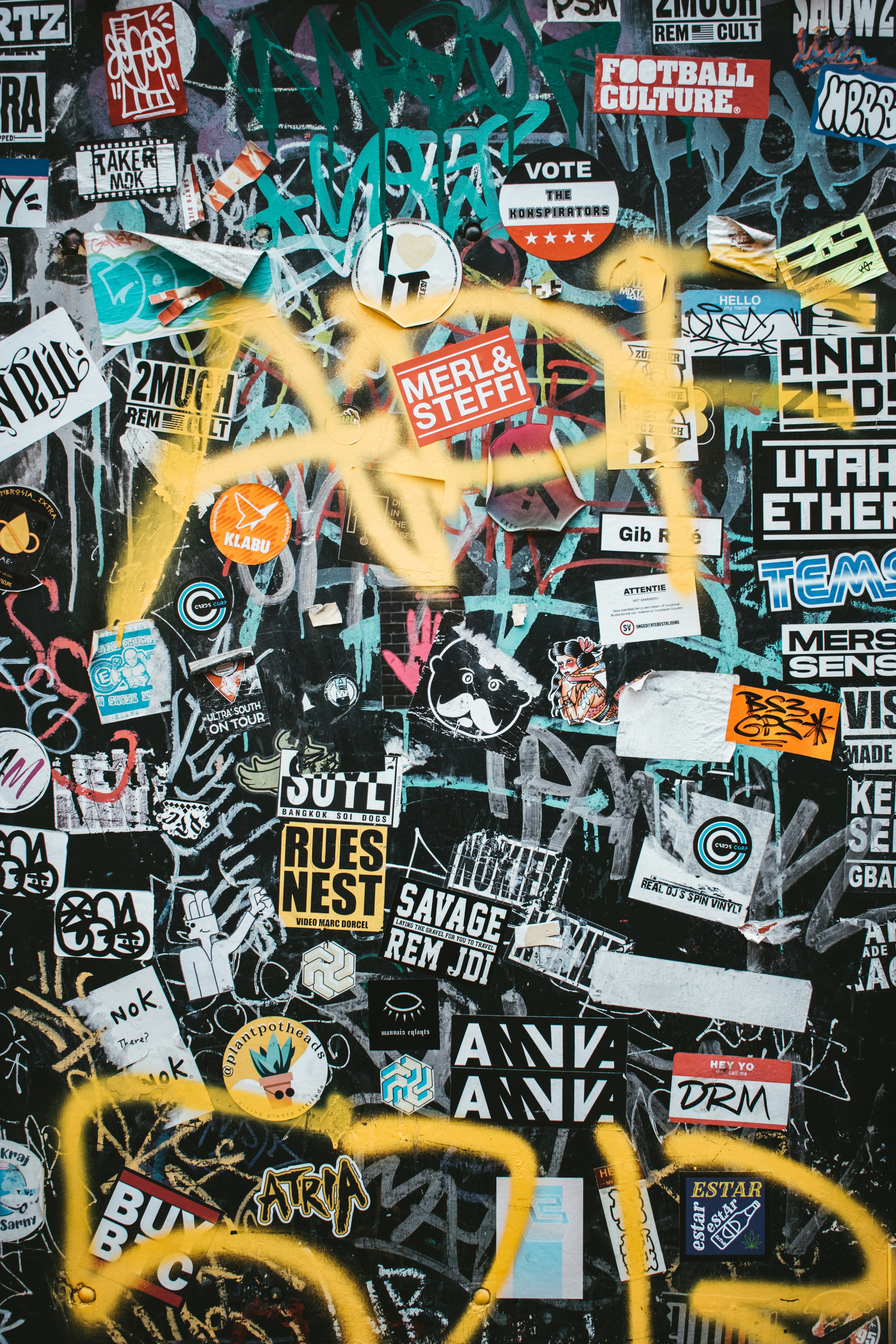
From Spray Cans to Digital: The Evolution of Graffiti
Graffiti, long considered the rebellious child of the art world, has transformed dramatically from its origins in the gritty urban landscapes to the digital canvases of today. This evolution reflects the dynamic interplay between technology, culture, and artistic expression, showcasing how graffiti has adapted and thrived in the digital age.
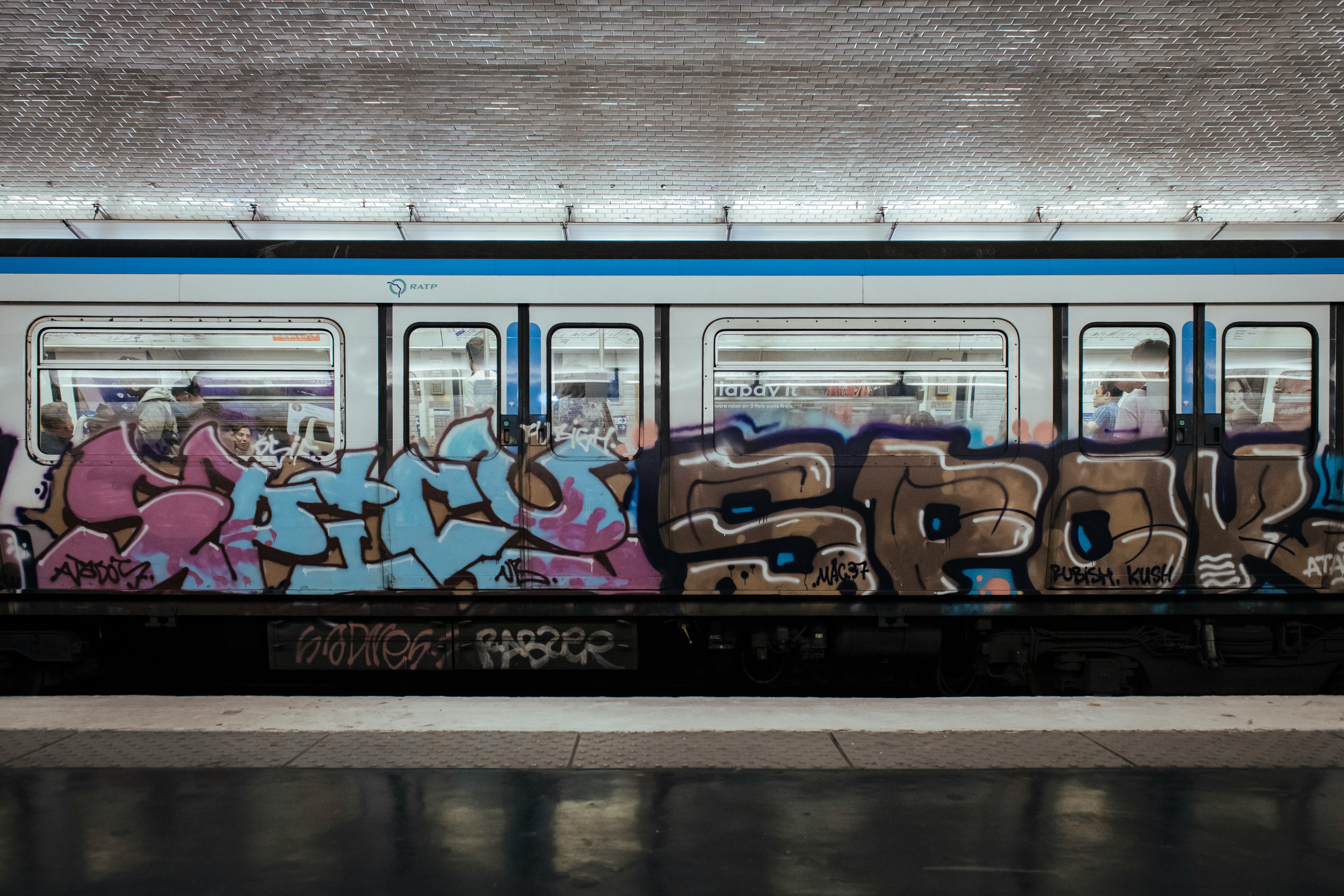
Graffiti's roots can be traced back to ancient times, but it truly found its voice in the late 20th century. The streets of New York City in the 1970s and '80s became a vibrant gallery for this burgeoning art form. Artists like Taki 183 and Jean-Michel Basquiat used spray cans to tag subway cars and buildings, turning public spaces into personal canvases. This era was characterized by bold, colorful tags and intricate murals that captured the spirit of rebellion and individuality.
The underground culture of graffiti grew alongside the rise of hip-hop, punk rock, and other countercultural movements, creating a dynamic and often controversial art form that both challenged and defined urban spaces. Graffiti became a visual language for the marginalized and the voiceless, a way to reclaim public space and make powerful statements. As graffiti spread to other cities and countries, it evolved into various styles and forms, each reflecting the local culture and societal issues.
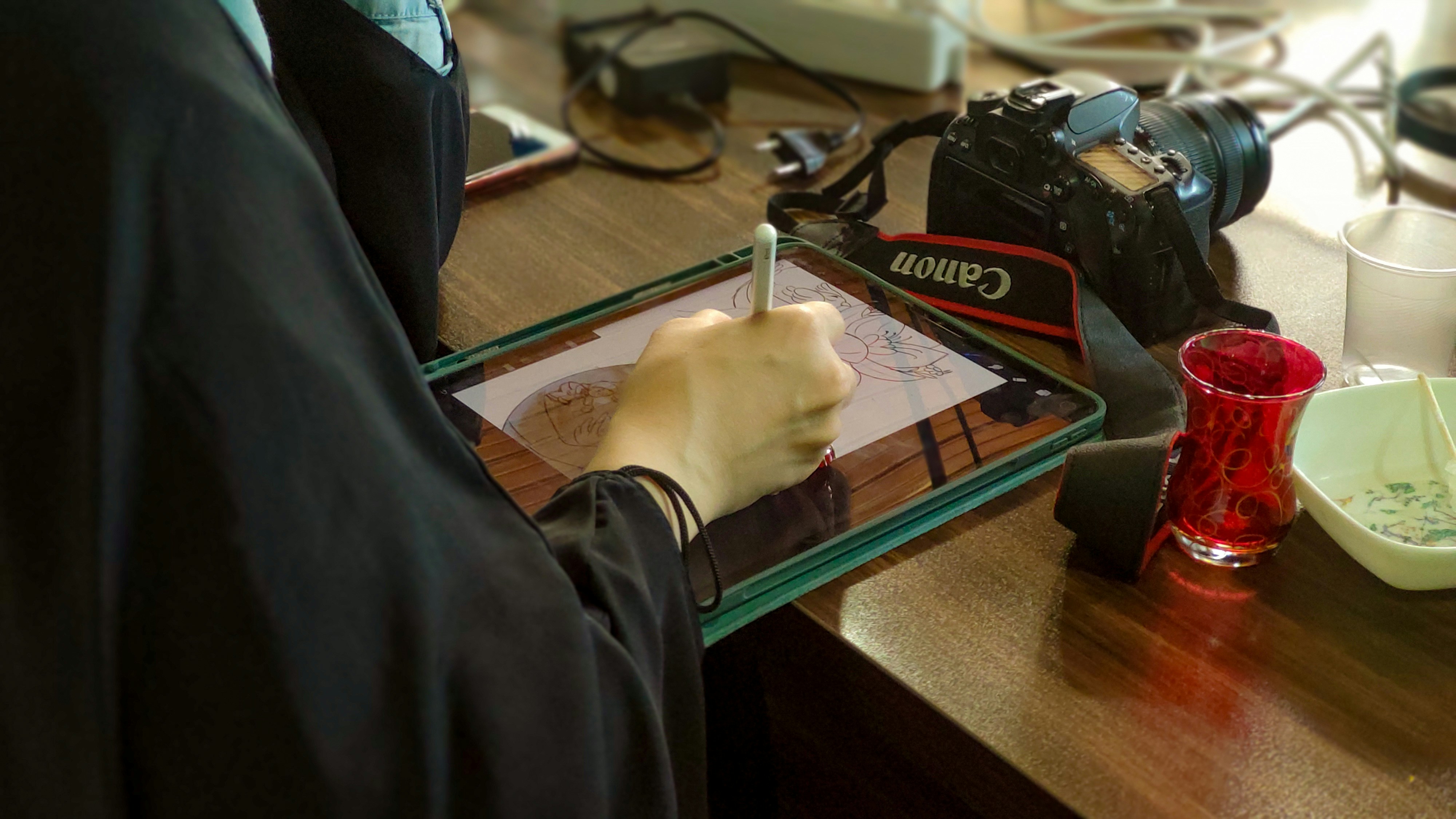
As technology advanced, so did graffiti. The introduction of graphic design software in the '90s allowed artists to experiment with new techniques and styles. Programs like Adobe Photoshop and Illustrator became essential tools for graffiti artists, enabling them to create intricate designs with precision. These tools also allowed for the preservation and refinement of graffiti art, as designs could be perfected digitally before being transferred to physical walls.
The internet revolutionized how graffiti is shared and consumed. Social media platforms like Instagram and Tumblr provided artists with global audiences, breaking the geographical constraints that once limited their exposure. Online communities and forums fostered collaboration and inspiration, allowing artists to share their work and learn from one another. The digital age democratized graffiti, making it accessible to anyone with an internet connection, and allowing artists to build global followings without ever leaving their hometowns.
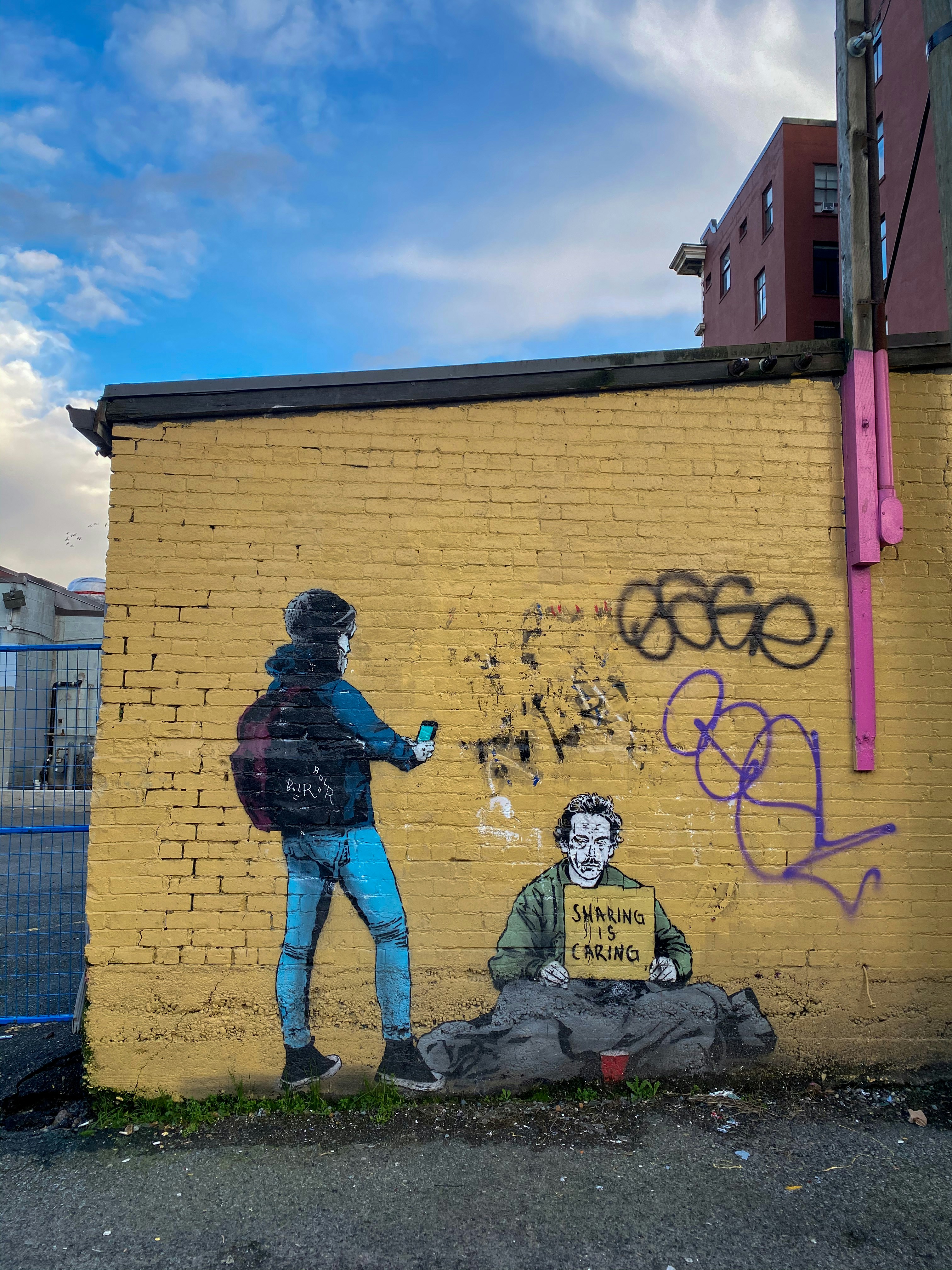
Social media has played a crucial role in amplifying the voices of graffiti artists. Platforms like Instagram allow artists to document and share their work with a global audience instantly. Hashtags and geotags help build communities and movements, while stories and live streams provide real-time engagement with fans and fellow artists. Notable graffiti artists like Banksy have leveraged social media to achieve global recognition. Banksy's anonymous persona and provocative art have garnered millions of followers, turning graffiti into a powerful tool for social commentary and activism.
Despite these technological advancements, many graffiti artists remain committed to the traditional methods of spray cans and stencils. The tactile experience of painting on a wall, the smell of aerosol, and the thrill of working in public spaces are irreplaceable aspects of graffiti culture. However, the blend of old and new techniques has enriched the art form. Artists now use digital tools to plan and visualize their work before executing it on physical surfaces. This hybrid approach allows for greater creativity and precision, enhancing the overall impact of the art.
In conclusion, the evolution of graffiti from spray cans to digital platforms highlights the adaptability and resilience of this urban art form. By embracing new technologies, graffiti artists have expanded their creative horizons and reached wider audiences. As the lines between physical and digital art continue to blur, graffiti remains a powerful mode of self-expression, reflecting the ever-changing landscape of urban culture. In this journey from walls to screens, graffiti continues to defy boundaries, proving that art knows no limits. Whether through the spray of a can or the click of a mouse, graffiti will always find a way to make its mark on the world.